|
La Fotografia è sempre stata un’ arte che mi ha affascianto,
da quando a otto anni mi regalarono la mia prima macchina fotografica;
gli scatti che si sono susseguiti da allora, momenti di vita, ritratti,
paesaggi, non sono stati altro che un primo approccio che in seguito avrei approfondito.
Nel 2001 la collaborazione con l’organizzazione della rassegna
fotografiaca di “FoianoFotografia” che si tiene annualmente
nell’omonimo paese in provincia di Arezzo (Italia), ha cambiato il mio rapporto con
lo scatto fotografico. Fondamentale è stata la conoscenza e la frequentazione di un autore,
Maurizio Galimberti
, che in qualche modo, direttamente o indirettamente mi ha fatto osservare,
come la fotografia, arte figurativa regina dell’era contemporanea,
sia un nuovo modo di fermare l’immagine e il tempo, prerogativa
della pittura e della scultura in passato possedendone la stessa anima, la composizione.
I suoi insegnamenti non si sono limitati alla fotografia in se
e per se ma ad osservare, a captare, a cogliere oggetti e situazioni,
in un bilanciamento di immagini e colori che a volte potevano sembrare banali,
in realtà profondi e pieni di poesia.
La scelta innovativa indubbiamente vincente di Galimberti è stata quella di utilizzare un mezzo,
la Polaroid, il cui risultato, frutto dell’istantaneità,
sono opere uniche come dipinti mentre l’essenza,
della sua opera gli è trasmessa da manifestazioni artistiche
dinamiche e imprevedibili come il Futurismo e il Dadaismo.
I suoi mosaici, composizioni assolutamente bilanciate nella
loro dinamicità, e gli interventi apparentemente distruttivi
nei confronti dell’istantanea, danno carattere e originalità.
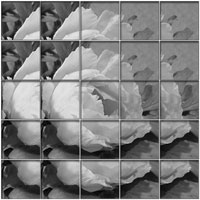
Da questo modo di fotografare e comporre, in particolare dall’idea mosaico,
ho iniziato a tagliare delle fotografie definite a quadrato e ricomposte
intorno all’immagine centrale, dando una sensazione dinamica e calendoscopica
anche di soggetti apparentemente statici, ricerca di un mondo fatto di visioni
in movimento e ripetitive, prendendo spunto dai modi di vivere della società contemporanea.
Ritratti animali, nature morte e scatti dedicati a delle icone
del nostro tempo sono i soggetti della mia fotografia, composizioni
dove spesso sono il colore e la luce a giocare un ruolo predominante.
|
|
|
|
Photography has always been an art that has fascinated me, since I was given
my first camera at eight years old. The snapshots that followed – moments of life,
portraits, landscapes – were nothing but my first attempts that I would subsequently
pursue in greater depth. In 2001, my collaboration with the organization of the
photographic event “FoianoFotografia,” held annually in the town of its namesake
in the province of Arezzo (Italy), changed my relationship with the photographic image.
The acquaintance and association of one photographer in particular,
Maurizio Galimberti,
have been fundamental, whether directly or indirectly, in making me observe how photography,
the figurative art queen of the contemporary era, is a new method of freezing images and time,
in the past the prerogative of painting and sculpture, possessing the same soul as
these other art forms: composition.
His teachings were not limited to photography in and of itself but extended to observing,
perceiving, and gathering objects and situations in a balance of images and colors that at
times could have seemed banal, but were in reality profound and full of poetry.
Galimberti’s innovative and undoubtedly successful choice was that of using a Polaroid camera,
a means whose results, the fruit of instantaneousness, are unique works of art like paintings,
while the essence of his works is transmitted to them in dynamic and unforeseeable
artistic interventions, such as in Futurism and Dadaism.
His mosaics are compositions that are absolutely balanced in their dynamic aspect,
and the interventions, apparently destructive with regard to the photographs,
give each work character and originality.
From this method of photographing and composing,
and in particular from the idea of the mosaic,
I began to designate square portions of photographs,
cut them, and recompose them around the central image,
giving a dynamic and kaleidoscopic sensation, even to apparently static subjects;
research into a world made up of visions both repetitive and in movement,
taking their origin from the ways of life of contemporary society.
Portraits of animals,
still lifes, and shots dedicated to icons of our time are the subjects of
my photography, compositions in which color and light often play predominant roles.
|
|
|